
Services · Strategy Before any design work, I work out where a prospect currently says yes or no to your business. The website follows that journey. Whenever visitors have a question, they find the answer right where they need it. Lack of planning A poorly structured website is never an accident. The first decision was simply skipped. The page comes together in the order its elements were completed, not the way visitors think. The timeline determines the order, not what they need and when. The top navigation mirrors the company's org chart. But customers aren't looking for departments. They're looking for the answer to their problem — and if they can't find it, they return to the search results. The interface is completed before the message. From that point on, an important argument gets left out because it's too long, while an unnecessary paragraph gets added to avoid leaving empty space. // The structure still gets decided. Just not by the person who paid for it. Hand-coded // The site's structure follows your sales process How the system is built Every page has a point where visitors decide whether to get in touch or move on. It differs from one business to another: sometimes it's the price, sometimes the exact scope of the service, or the form itself. I design this point first and in the greatest detail—the other sections are there to guide visitors to it. Visitors rarely read your page from top to bottom. A potential customer scans the homepage, clicks through to your work, closes the site, then returns days later. That's why I build every section to make sense on its own. Wherever visitors return to, they immediately see the next step. The digital identity of an air conditioning company operating for 23 years: automotive and building air conditioning services, an equipment catalog, quote requests, and project references on a fast, clean website. A website for a studio offering holistic facial and energy treatments, with a custom-built appointment booking system — replacing the previous external embed with a fully custom, on-brand booking experience. Premium Madrid experiences — airport transfers, sightseeing, flamenco shows, and food tours — for Hungarian tourists, with a custom booking system and a downloadable digital map product. Frequently asked questions These are the most common questions about the planning stage. Yes, because step zero isn't technical. Before anything is designed, we work out in writing how a prospect becomes a client: what persuades them and what holds them back. The website's structure follows that sequence. The visual direction comes from two sources. You explain how your customers behave because no one knows them better than you. I look at how your market presents itself online and where there's room for a visual direction that fits your company. When I send the itemized proposal and the planned list of pages, you haven't agreed to anything yet: the direction can be freely modified at this point, and we'll agree on it in writing. Development begins only after acceptance, in exactly the form we agreed on. You don't need to prepare anything in advance. My first questions cover the full picture: what the company does, who it serves, and how a new client finds you. This reveals what the website needs to accomplish. Yes, the website remains expandable. The new service can be added to the existing website, so you won't need to commission a new one. This is separate work, but the existing structure won't need to be discarded. Related services The planned process becomes a custom-coded website, landing page, or online store. Visitors follow a clear, instant-loading path to a decision. Code and AI take over the tasks that require manual coordination today—emailing, appointment scheduling, and initial screening. You can get straight to the work that matters.Before I build anything, I work out how to turn your visitors into customers.
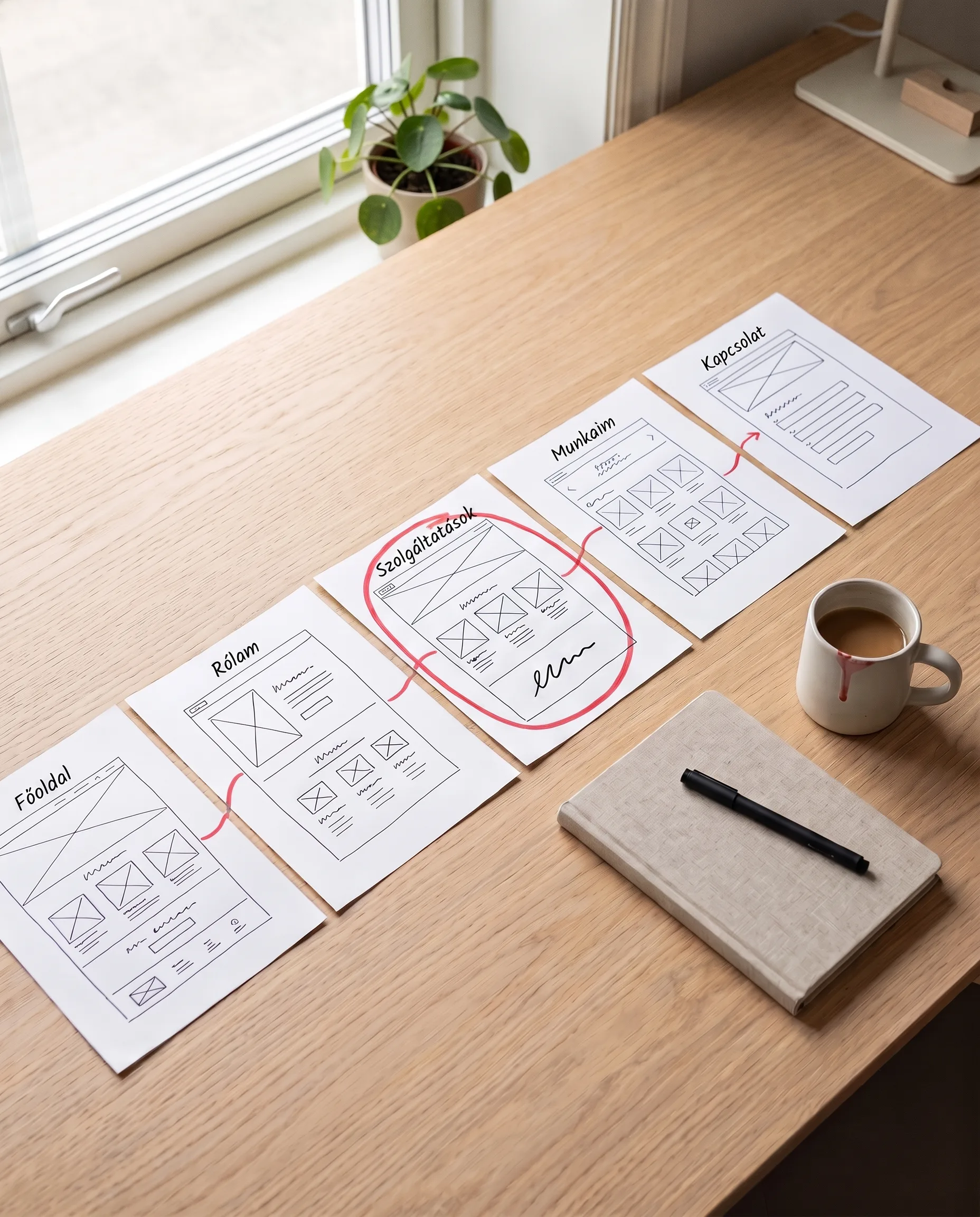
When the website is finished, but no one has decided how it should work.
Random structure
The menu is about the company
The copy fills the space
What you get with this service
The site's structure is shaped by how visitors make decisions.
The decision point gets the most attention.
Every click is a new entry point.
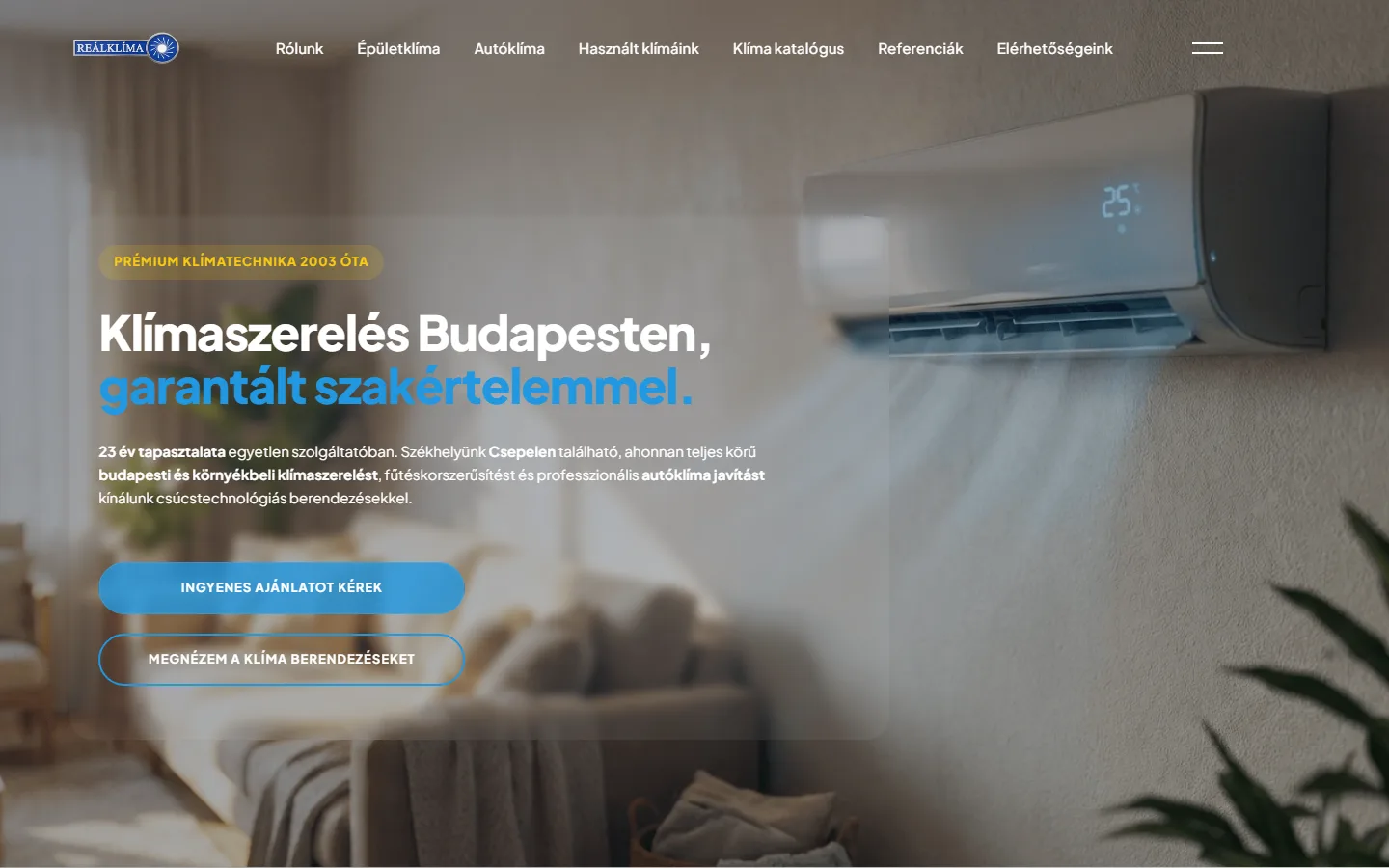
Clima.hu
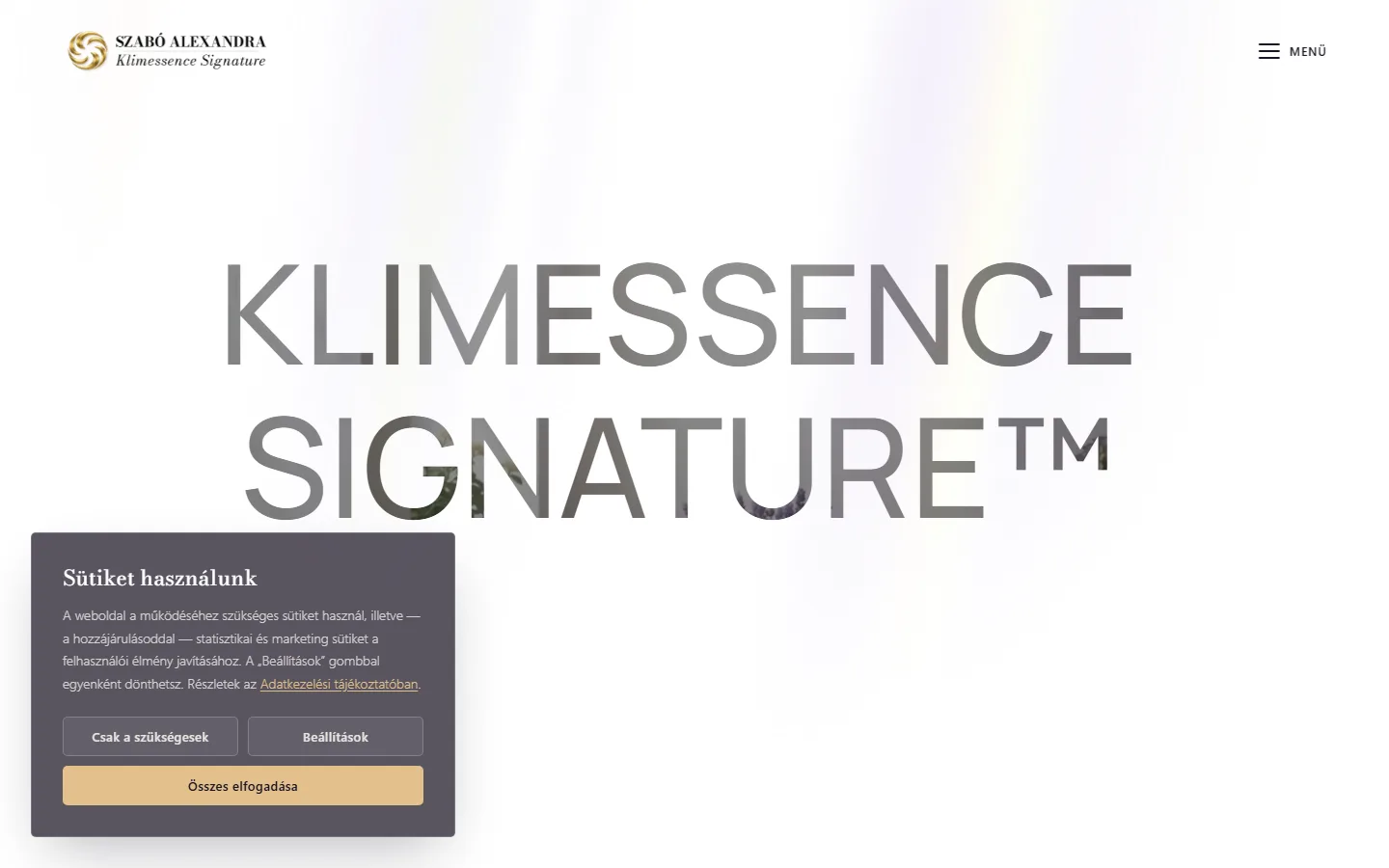
Klimessence Signature
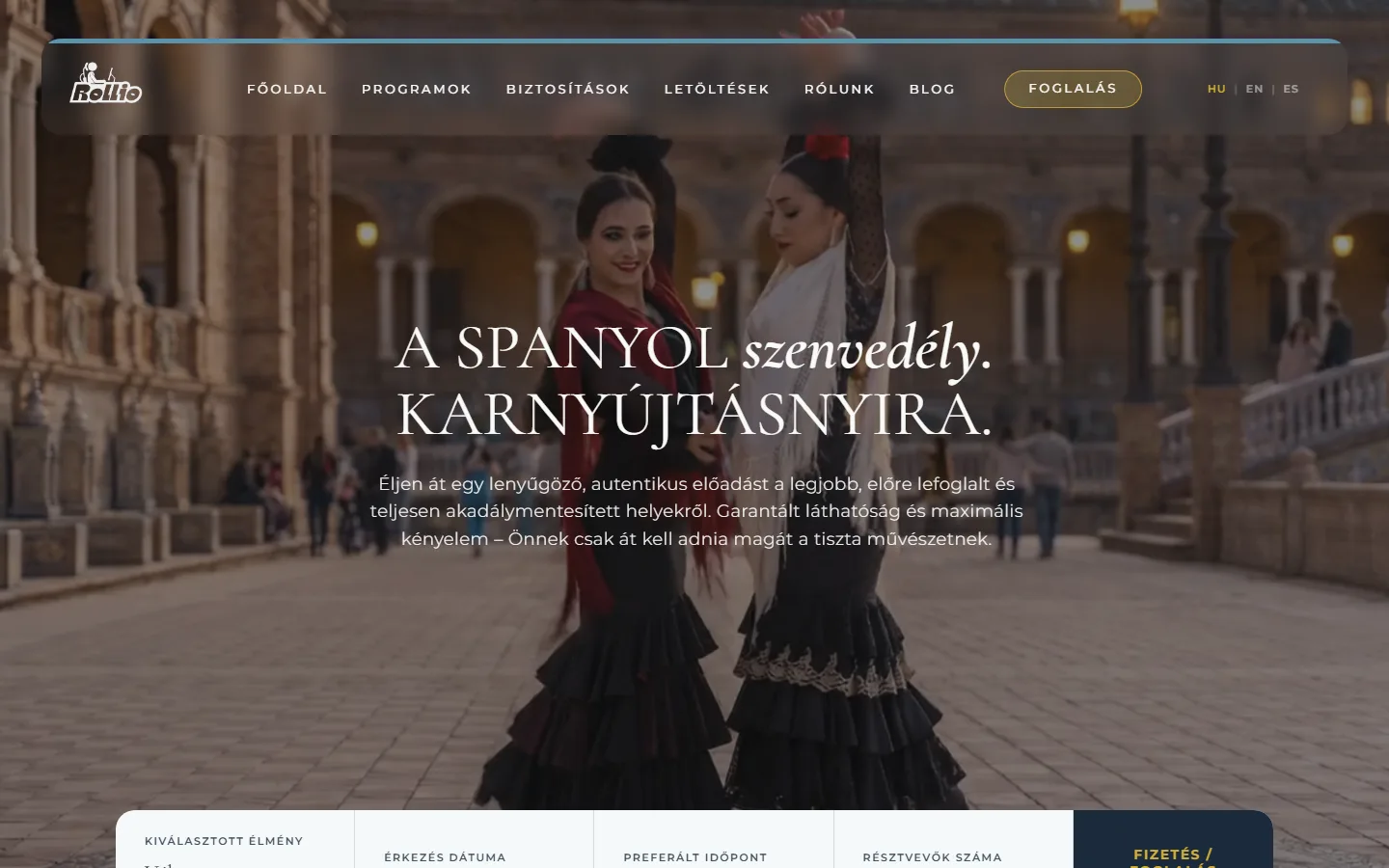
Rollio De Madrid
What happens from your first message to the accepted proposal?
Is there anything to plan if the company has never had a website?
How do you know what visual direction my customers will respond to?
What if the direction outlined in the proposal isn't what I had in mind?
What information or plans should I prepare before we start?
Can the website be expanded if I launch a new service later?
Handwritten code brings the planned journey to life
Platforms
Automation