
Services · Platforms Whether you need a landing page, a website, or an online store, I build custom features tailored to your day-to-day operations. Platforms by function The type of platform depends on what visitors need to do and what should happen next at your company. This ensures the development is built on your actual process from the very first decision. A custom website connects your company’s story with the way prospects request a quote. Choose this if prospects need answers to several questions before contacting you. From there, each inquiry can go directly into your CRM without manual data entry. An online store handles everything from product search to payment according to your own sales rules. Choose this if your products come with different options, conditions, or purchasing logic. Custom code for the cart and checkout prompts for exactly the steps required for each order. A landing page guides campaign visitors toward a decision about a single offer. You need one when every click relates to the same service or quote request. The sections first answer the questions necessary to make a decision, then the prequalification form collects the details needed to get in touch. An AI system can handle visitor questions as well as internal company tasks running behind the scenes. Choose this if the same information regularly needs to be provided or processed. I build it around your company’s rules, so it takes real work off your team’s hands. // The same thing ties all four together: code written by hand for your company’s processes. Handwritten code // The same feature follows different rules in different businesses; your company's process determines exactly how it works Two rules for every project Planning starts with assessing the day-to-day workflow: what data comes in, what decision follows, and where the process breaks down. This might be an order and checkout process, the structure of a catalog, completing a document, or collecting data based on previous answers. The features are built around this sequence, so the site follows the actual workflow. Slow performance is usually the result of many small elements that seem insignificant on their own. That is why every piece of code has a specific purpose on the site. Before handoff, automated testing checks speed, accessibility, and security headers, and I fix any identified sources of slowdowns before launch. A digital presence for an air conditioning company in business for 23 years: automotive and building air conditioning services, an equipment catalog, quote requests, and project references on a fast, clean website. A website for a studio offering holistic facial and energy treatments, with a custom-built appointment booking system — replacing the previous third-party embed with a fully custom, on-brand booking experience. Premium Madrid experiences — airport transfers, sightseeing tours, flamenco shows, and food tours — for Hungarian tourists, with a custom booking system and a downloadable digital map product. Frequently asked questions These are the most common questions about platform development. Yes, if your software supports it: inquiries from the website can go directly into your own system. We’ll agree in writing, early on, which software and what data to use. Yes. If customers need to accept a digital contract when booking, or you want to guide prospects through a pre-screening form, I’ll build that into the process. I build the catalog, cart, checkout, and product pages around your product logic. This matters when your pricing or shipping follows rules that a standard checkout process can’t handle: quantity discounts, package pricing, or different shipping terms. AI can play a role in two places: on the website, where visitors ask questions or search, and behind the scenes, where incoming inquiries and bookings are processed. I include it when it takes real work off your plate — if it would only make the site seem smarter just by being there, we leave it out. I run the automated pre-launch checks, including e-mail delivery for the forms. Support lasts for 60 days from launch and ends on day 60. The new feature can be added to the existing system, so there’s no need to build a new one. This is separate work under a separate agreement, outside the six-month support period. Related services Before building the platform, I map out the sales funnel, brand voice, and user journey so the finished site sells at the point where visitors are ready to make a decision. Alongside custom-coded appointment booking systems, CRM integrations, and specialized booking logic, I also build in back-end processes that replace the manual work involved in scheduling appointments and managing clients.Your process dictates the code.

The project determines which platform I build.
Custom website
Online store
Landing page
AI systems
What your system is made of
Two questions determine what the site can do: what it needs to accomplish and what it should be built with.
First, we map out how the business operates.
I plan for speed while writing the code.
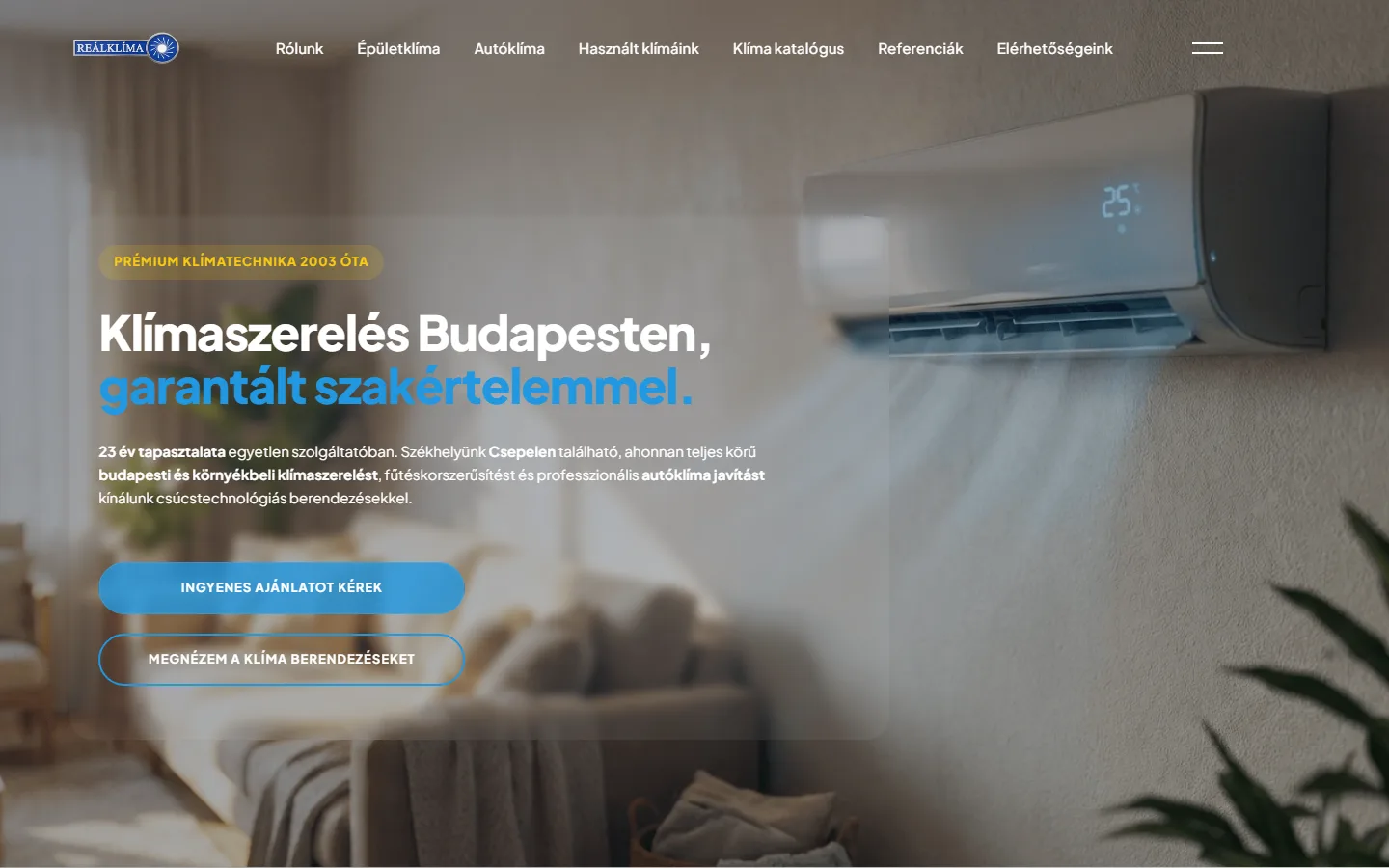
Clima.hu
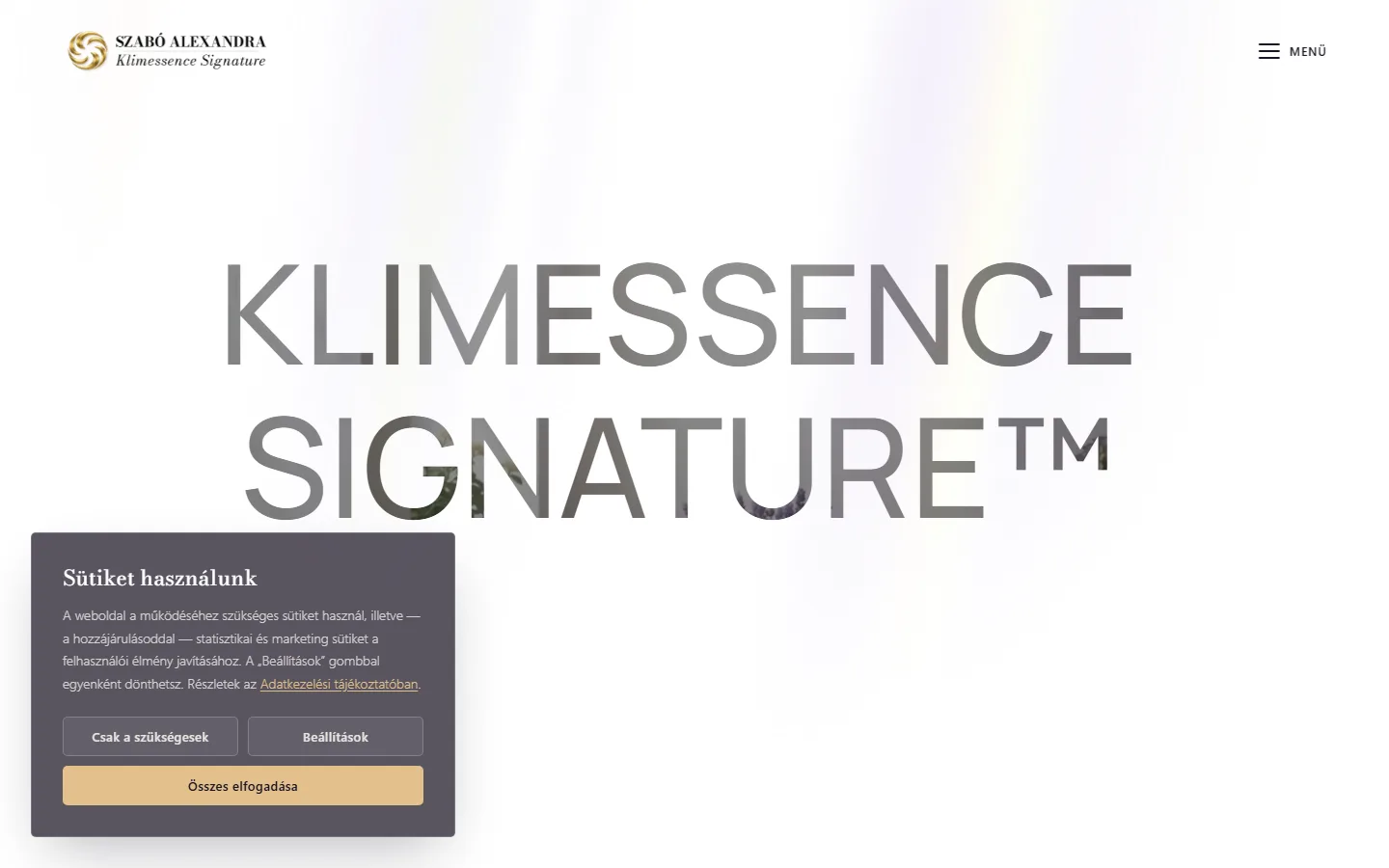
Klimessence Signature
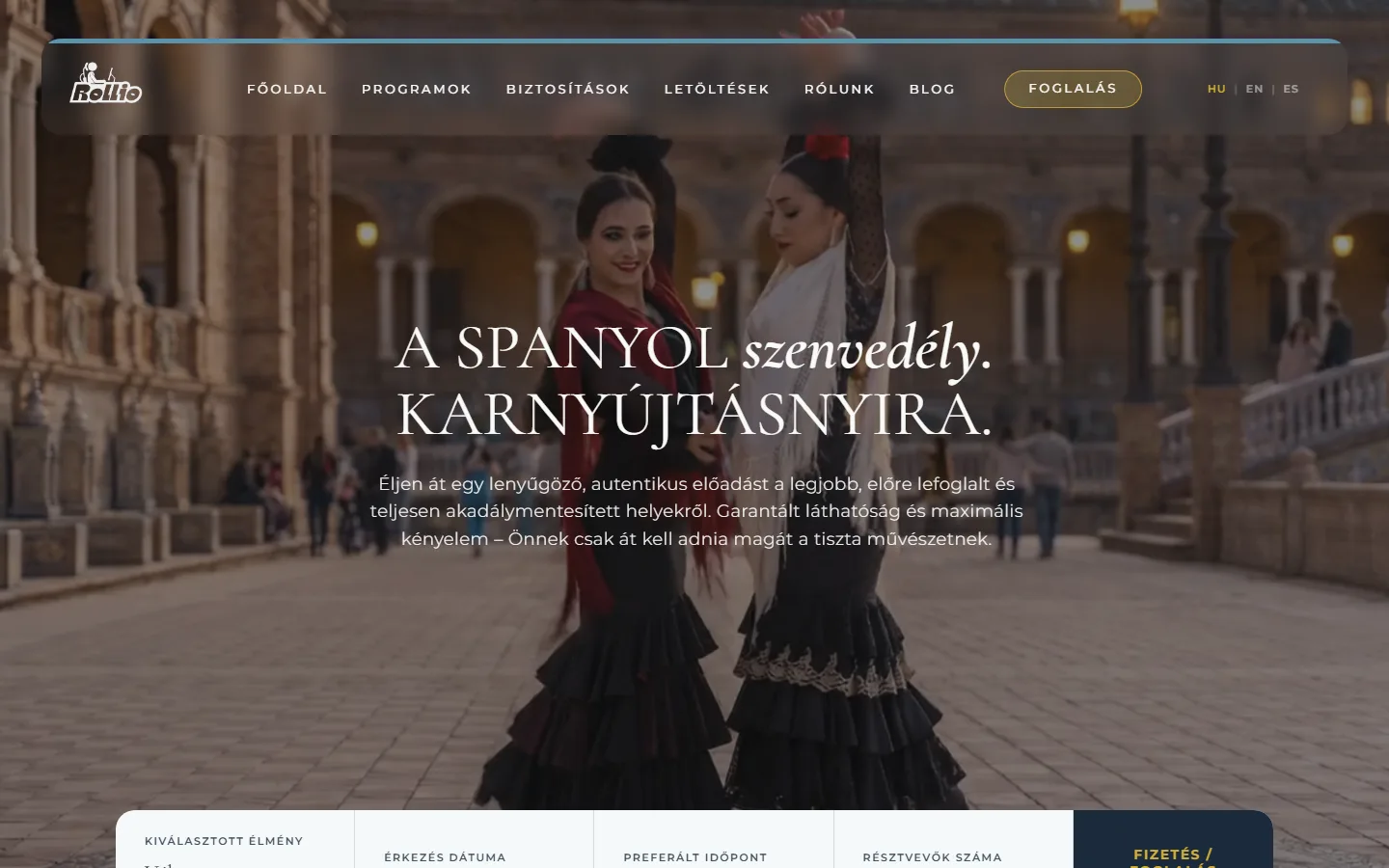
Rollio De Madrid
How long does it take, what can it do, and what happens after launch?
Can the new system connect to my current customer management software?
Can you build in a process we’ve handled on paper until now?
What do you build with custom code for an online store?
When does AI make sense, and when doesn’t it?
What do I need to do on launch day?
What if we want to add a new feature half a year later?
The platform connects in two directions
Strategy
Automation
Custom appointment bookingBooking follows different rules for each service. You can set the duration, the assigned staff member or resource, and the number of available spots for each group appointment separately.
CRM recordsEvery submitted inquiry creates a separate record in the CRM. Its status shows whether the lead is new, in discussion, or has moved to the next stage.
Contract acceptanceContract acceptance can be linked to an application or booking. A related step—such as applying for insurance—can be completed in the same process.
Multi-step screeningThe form uses a sequence of questions to collect everything needed for the inquiry. The incoming inquiry already shows the selected service and the criteria provided.
Custom e-commerce engineThe catalog, cart, and checkout all follow the same product logic. The system accounts for volume discounts, package pricing, and shipping conditions tied to the order.
One-handed mobile flowThe entire process, from selection to payment, is designed for use on a phone. Button placement and field sizes are optimized for one-handed use.
Speed testingEvery piece of code has a specific job on the site. Automated testing before launch identifies the sources of any slowdown, and I fix them before handoff.